
Step-by-step response
- 1Identify what's on the circuit
Look at the breaker label. If unlabeled, flip the breaker off and walk the house to see what's dead. Typical kitchen circuit: countertop outlets + microwave + sometimes dishwasher. Bathroom circuit: GFCI outlet + light. Total amp draw of all loads should be ≤80% of breaker rating.
- 2Reduce load
Move one big load to a different circuit (different room). Unplug space heaters (1500W = nearly the entire 15-amp circuit). Try the breaker again.
- 3If the breaker still trips with reduced load — call an electrician
Could be: aging breaker (60-80yr panels), loose wire at an outlet, ground fault from worn insulation, aluminum-wiring connection oxidation. All same-day calls.
- 4Burning smell, scorched outlet, warm panel?
Cut the main breaker. Call electrician immediately, not tomorrow. Federal Pacific or Zinsco panels: replace ($1,800-3,200). They have a documented fire risk.
Verified electricians serving Strongsville, OH
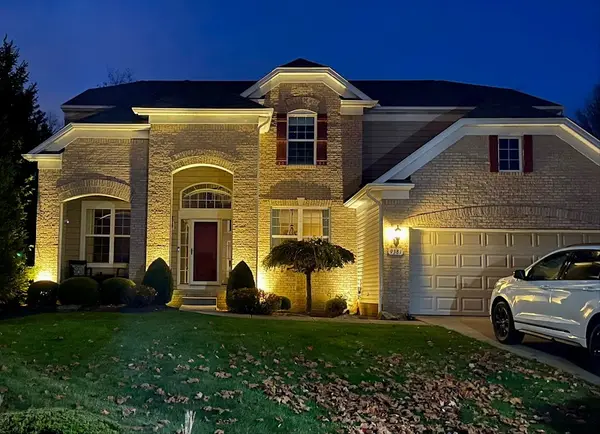
Kite Electric Ohio LLC
"Always on time with scope of work explained and what to expect when finished. Price is very exceptional in comparison to others I've used in past with the job done as priced."
View pro & call →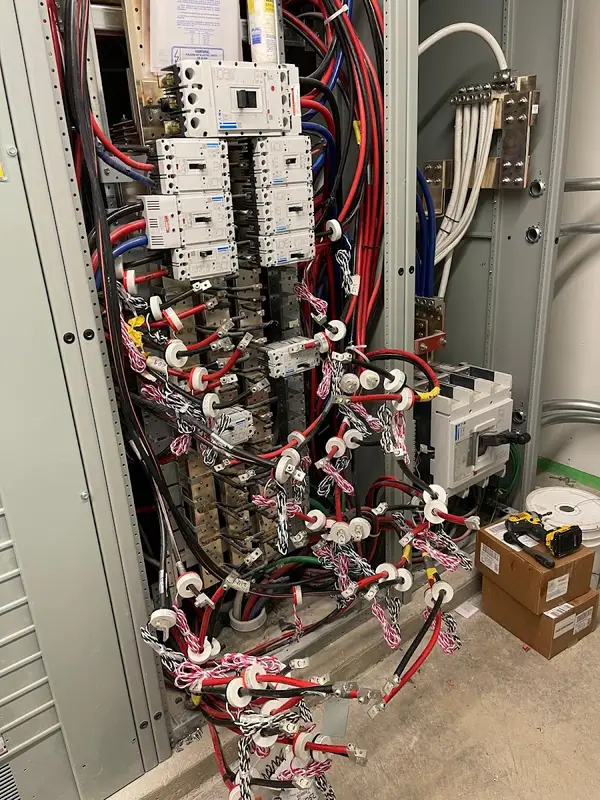

Dependable Electric
"Came out when they said they’ll be here and got the work done quickly. Staff was super nice and helpful. Will be using them again"
View pro & call →
Apollo Control Systems Ltd.
Arrow Incorporated
Carl Shephard Elecrtic
Frequently asked
How many tries before I should stop resetting?
Reset once. If it trips again on the same load, stop. Don't reset 5+ times — each repeat carries fault current that can melt wire insulation and start a fire.
Are AFCI breakers worse than regular?
AFCI (Arc-Fault) breakers are more sensitive — they trip on patterns that look like arcing, even if not dangerous. Required by code on most 2014+ circuits. Nuisance trips are real but usually trace to a specific motor (vacuum, drill) or appliance.
Local context — Strongsville, OH
Southwest Cleveland suburb with large 1970s-2000s subdivisions and heavy finished-basement inventory. Homeowner demand clusters around generator hookups, backup sump systems, and HVAC replacement in larger all-season family homes.